Hyper Materialism
In an era defined by hyper-consumerism, wealth, and conflict, we have become increasingly detached from the natural world. The rapid pace of modern life often overwhelms us, leaving us with only a superficial understanding of what is happening around us.
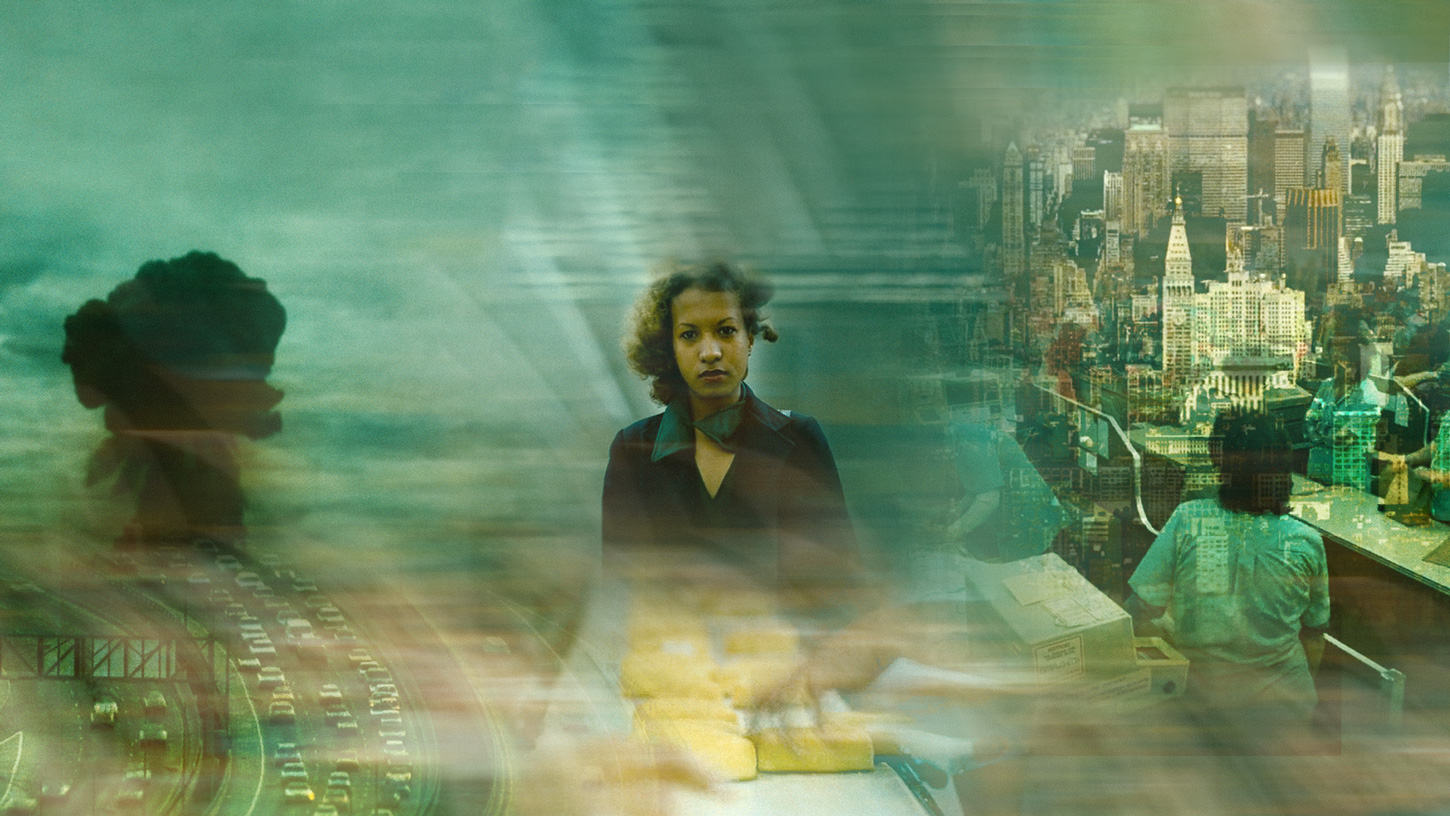
This theme reminded me of the 1982 documentary Koyaanisqatsi, directed by Godfrey Reggio, which explores the disconnection between humanity and nature. The film uses wide shots of landscapes, fundamental forces, and scenes from modern civilization and technology to emphasize the growing imbalance. Through its chapters, the film reflects the ancient Hopi prophecy, warning of the curse that befell their villages, such as Pivanhonkyapi.
As I revisited Koyaanisqatsi, I noticed few differences between Reggio’s portrayal and the world we experience today, aside from new designs and technologies. However, it is clear that we now face even greater challenges, with accelerated consumption and environmental destruction driving us further from balance. This project aims to revitalize the themes of the documentary, using a visual and musical composition that resonates with the speed and urgency of our current era, while echoing the Hopi people’s warning. The final shot features a representation of a cave painting depicting “The Hopi Prophecy of the Curse of Koyaanisqatsi” from the Holy Ghost Panel in the Great Gallery, Horseshoe Canyon, Utah.
Koyaanisqatsi is a Hopi word meaning “life out of balance,” and the Hopi prophecy speaks to the dissolution of harmony and balance in life. Pivanhonkyapi was an ancient Hopi village, located on the Third Mesa, believed to be the first permanent settlement of the Hopi people after they emerged from the Underworld at the Grand Canyon. Due to a severe drought, it was inhabited in the 1200s but abandoned before the end of the 13th century. – Source: Hopi Tales of Destruction (Nebraska Press, 1982)
— The Holy Ghost panel in the Great Gallery, Horseshoe Canyon, Utah.